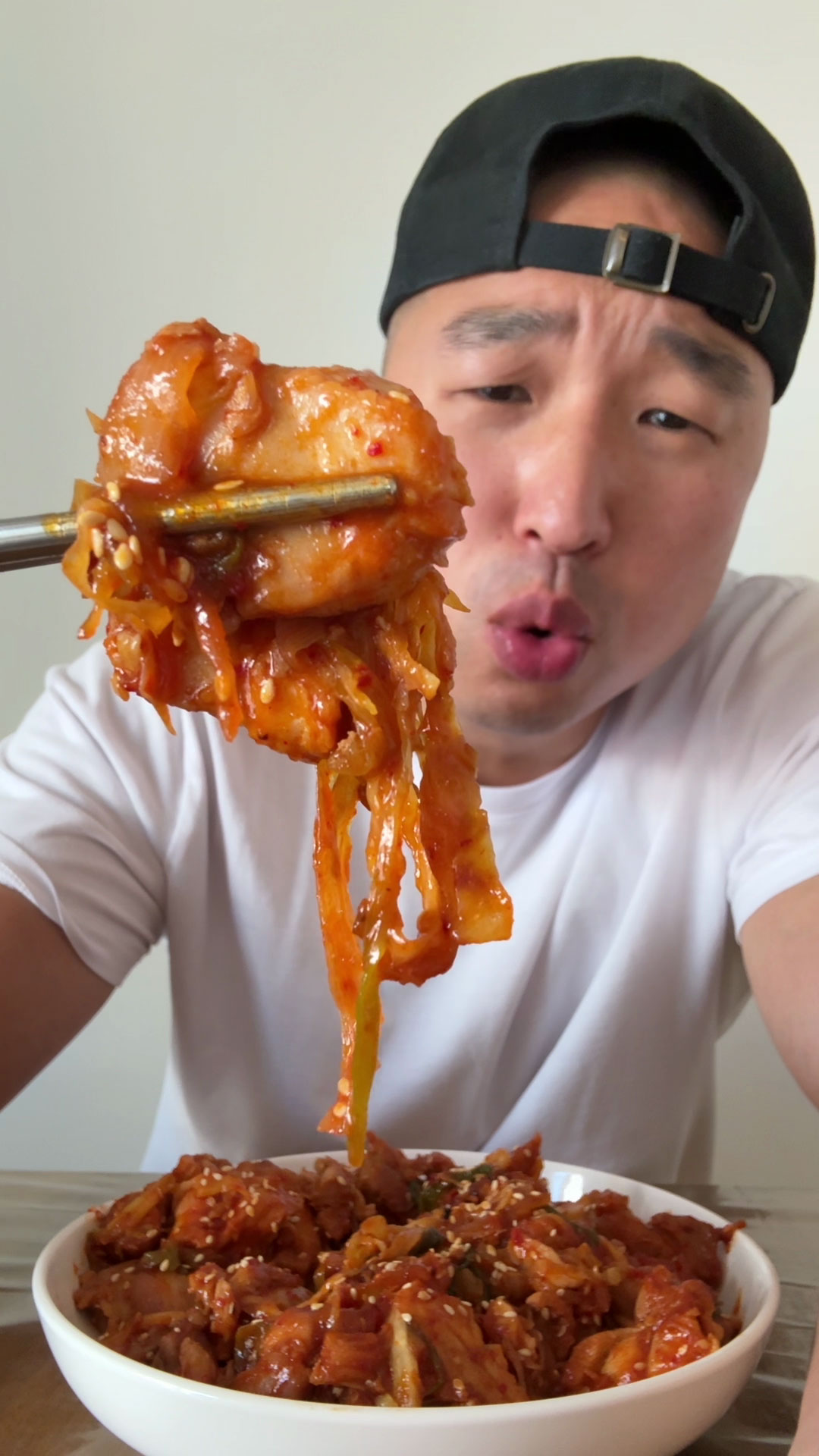
Dakgalbi is a quick and easy spicy chicken stir fry that’s perfect for weekday meals or meal preps! It’s savory, sweet, and spicy, and this will truly level up your chicken game!
Dakgalbi is one of the most popular dishes in Korea. It’s boneless chicken thighs marinated or seasoned with a spicy and flavorful gochujang sauce. It’s traditionally cooked tableside to be shared among family and friends as they eat out.
While I love having Dakgalbi whenever I’m in Korea, this dish has been one of my go-to’s when I’m on a diet because this is literally done in less than 30 minutes! Along with Asian Cucumber Salad, Bok Choy Stir-Fry, Shirataki Salad, and the like, I have proven that I can enjoy Asian food and still lose 20 lbs!
In this post, I’ll be sharing how you can easily recreate this at home and briefly discuss how it is traditionally served so you can enjoy it both ways. Let’s go!
Ingredients for Dakgalbi
Disclaimer: I get a small commission at no additional cost to you when you make a qualified purchase under the affiliate links.
- Boneless Chicken Thighs – Dakgalbi is usually made with boneless chicken thighs, so it’s easier to cook, especially this is cooked table-side. Chicken thigh is better, so it remains tender and juicy as opposed to chicken breast.
- Garlic, Onion, and Scallions – The aromatics that will enhance the flavor and fragrance of the dish.
- Cabbage – Traditionally, cabbage, carrots, sweet potatoes, peppers, and rice cakes are added in dakgalbi, but I only had cabbage. Feel free to add more veggies if you like; these will soak up all the sauce!
Dakgalbi Sauce
- Soy Sauce – For the savor and umami.
- Sugar – I used monk fruit because I’m on a diet, but you can also use a combination of one tablespoon of sugar and one tablespoon of corn syrup in place of it.
- Mirin – This is sweet cooking wine for acidity and will also help turn the sauce into a glaze.
- Oyster Sauce – Use only a small amount for additional umami. You can use vegetarian counterparts if needed.
- Gochujang – This is the main sauce ingredient that will make the dish fiery red, savory, and spicy. There is no replacement for this ingredient.
- Gochugaru – This is for additional spice and smokiness, omit if you prefer less spicy.
- Black Pepper – To taste
- Sesame Oil and Sesame Seeds – For an earthy and nutty finish, which will complement both the soy sauce and gochujang.
- Curry Powder – Just a sprinkle to boost the flavor. This makes all the difference!
How to Make Dakgalbi?
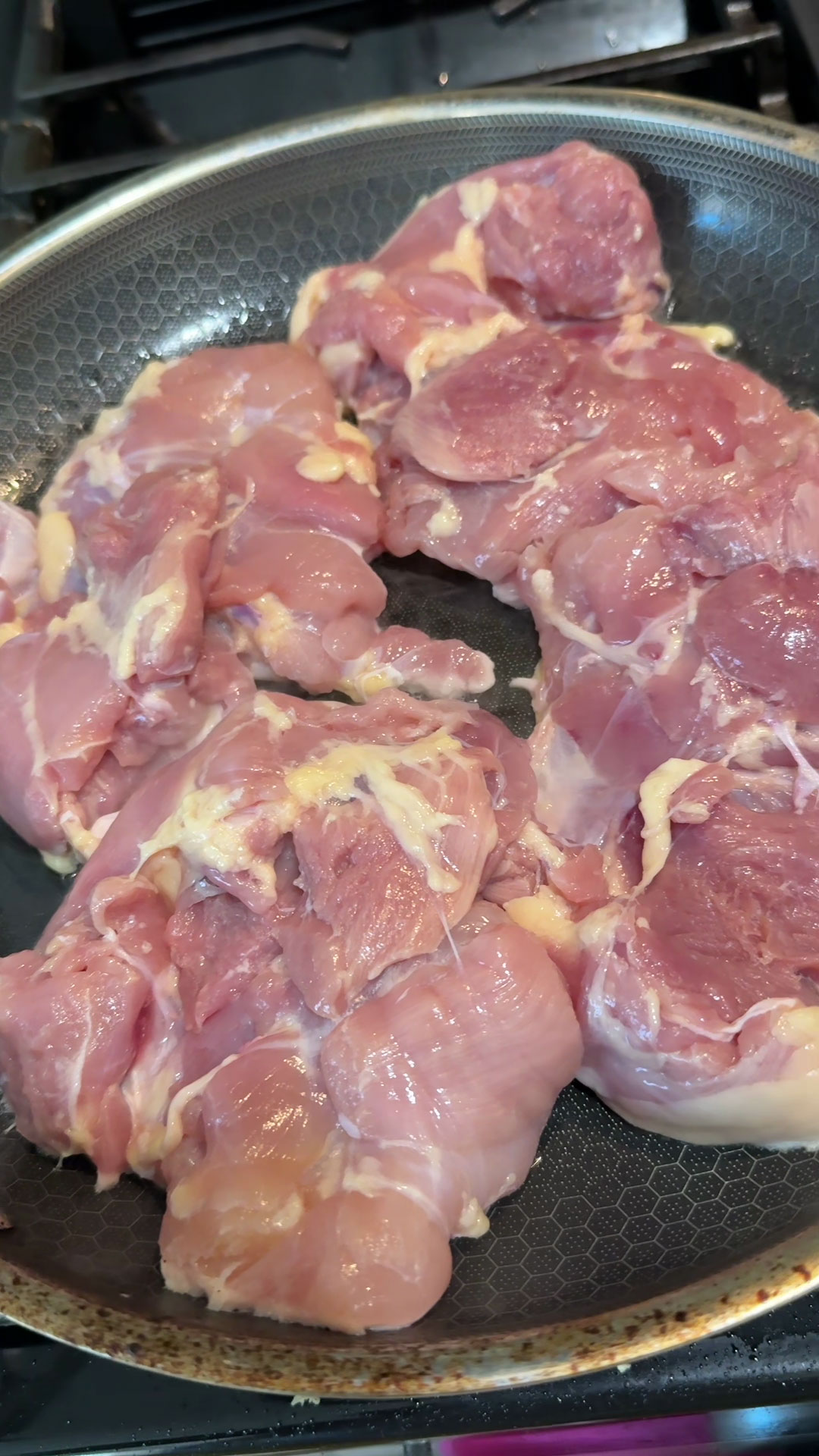
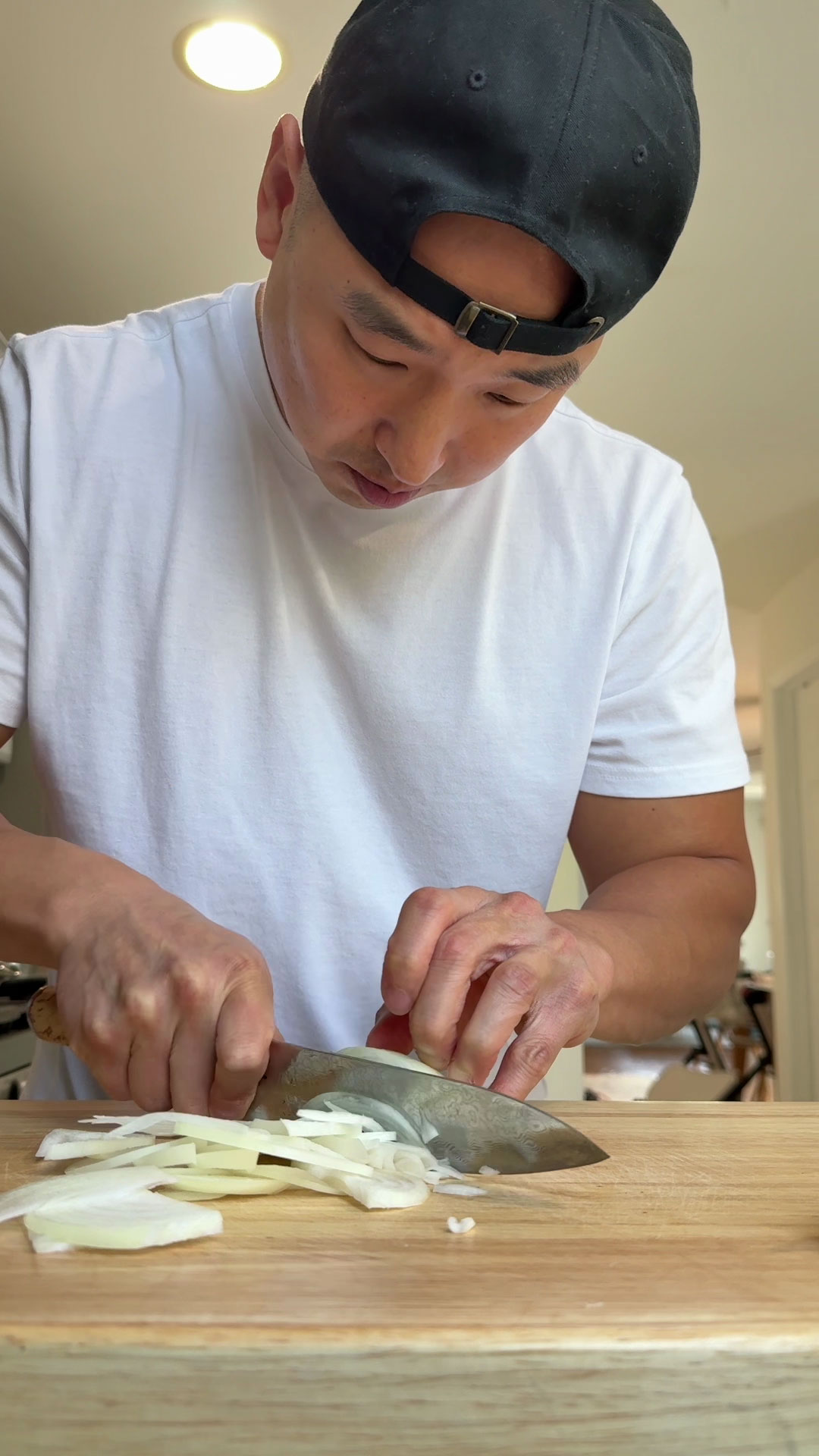
Place the pan on high heat, add oil, and sear the chicken on both sides until slightly golden brown. Meanwhile, julienne the onion and chop the scallions into 3-inch pieces.
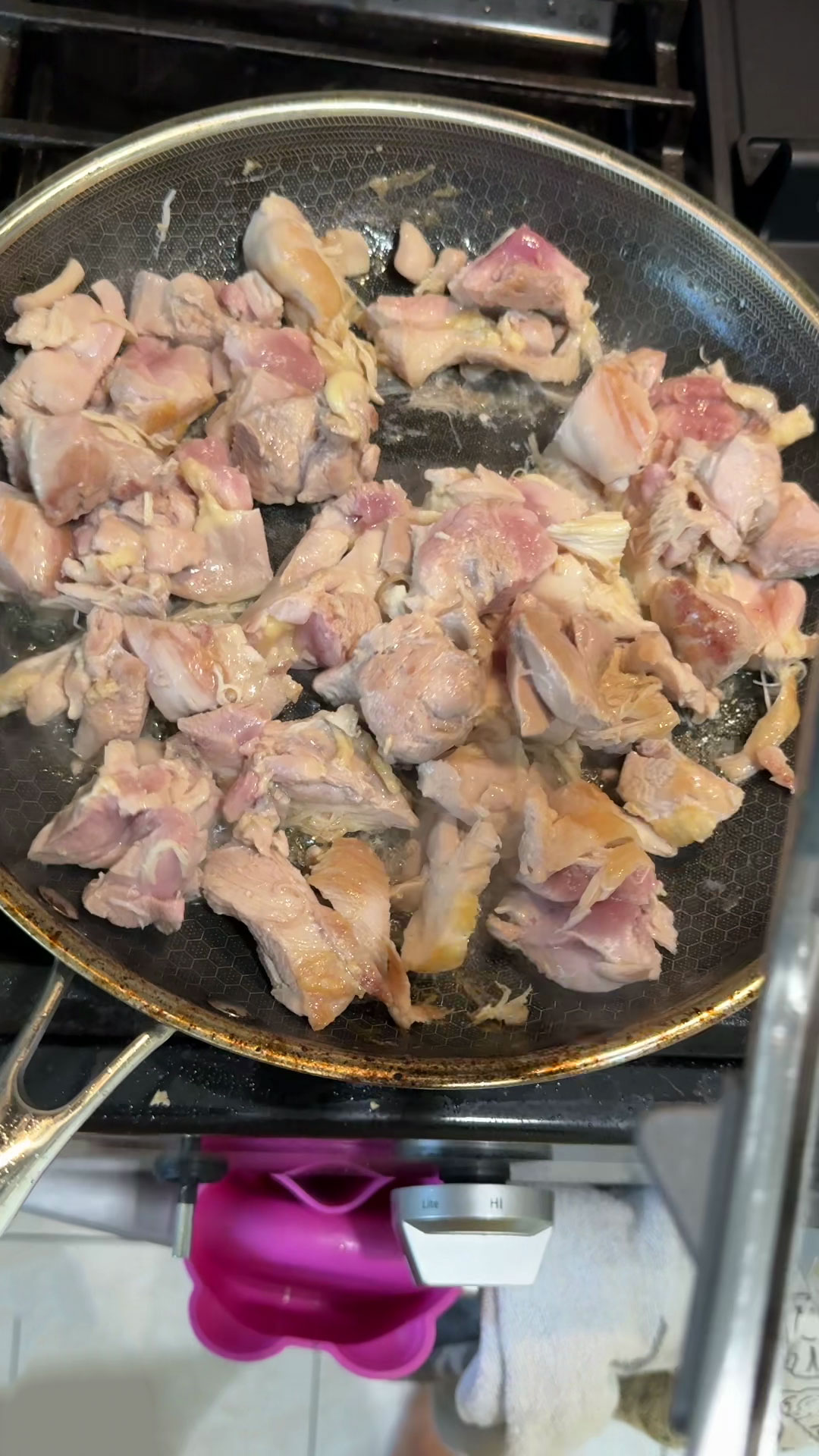
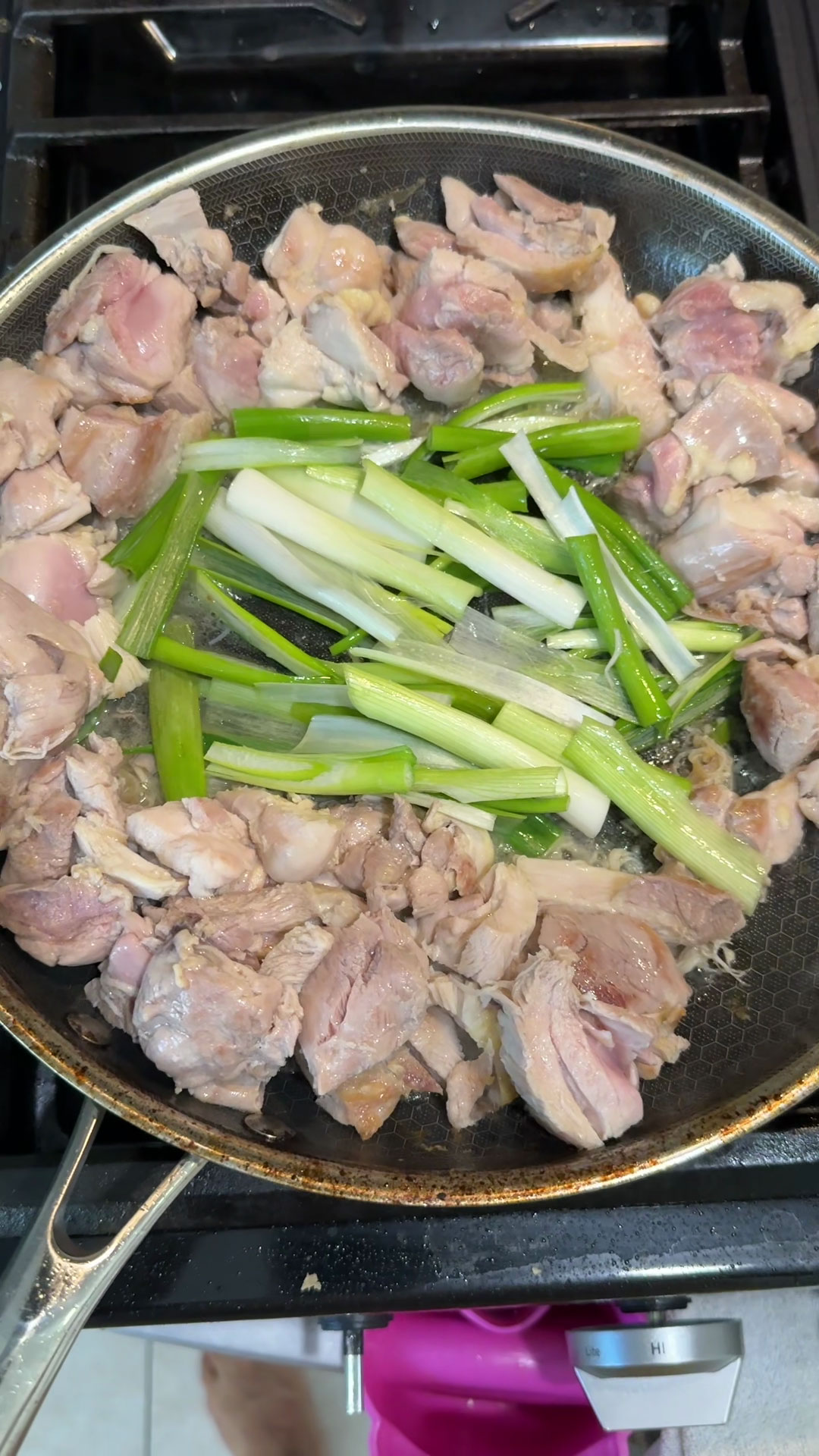
Cut or slice the chicken into bite-sized pieces, then place them back into the pan. Make a pool in the middle, add a bit more oil, then add the scallions and let sit until fragrant.
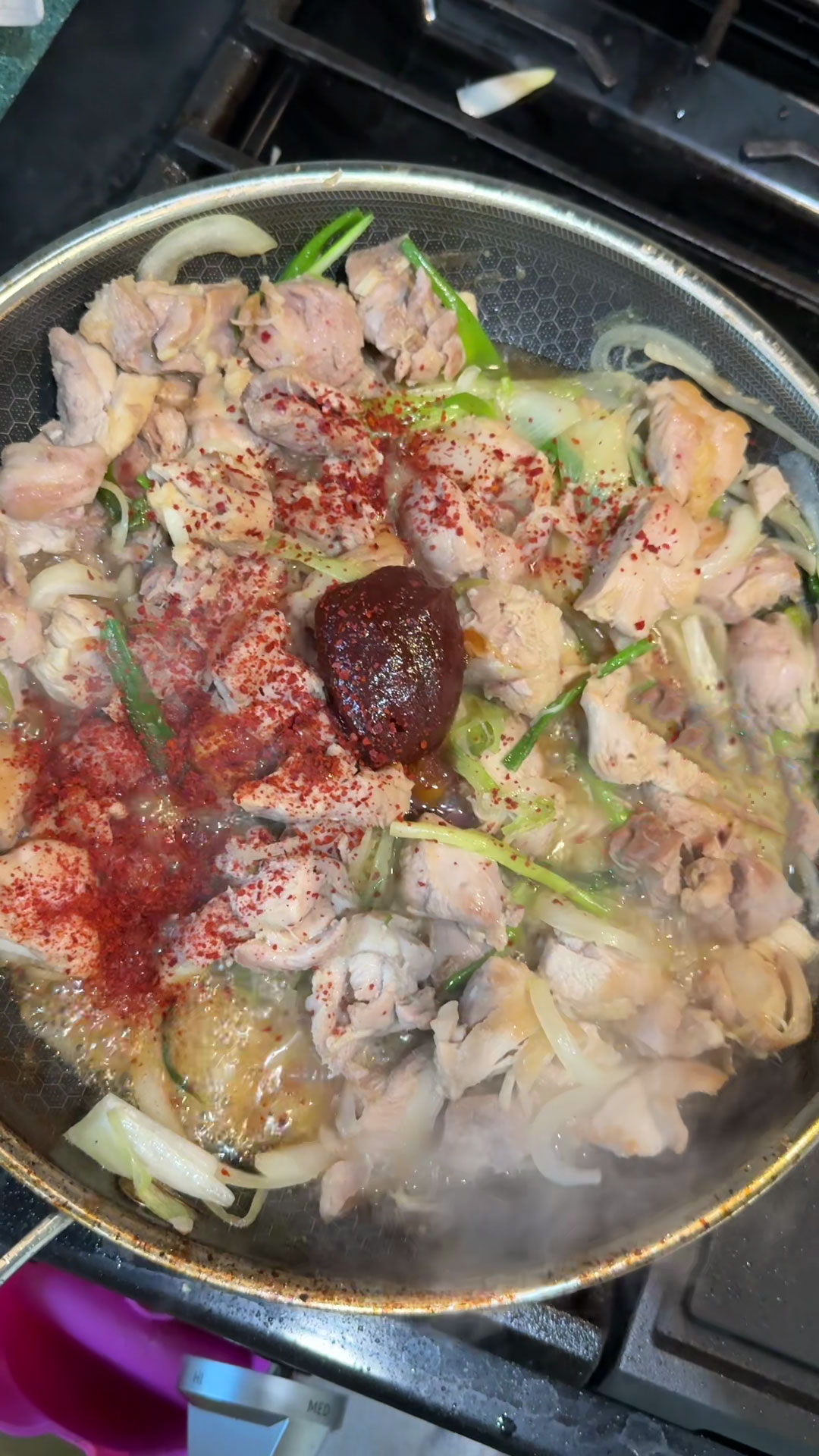
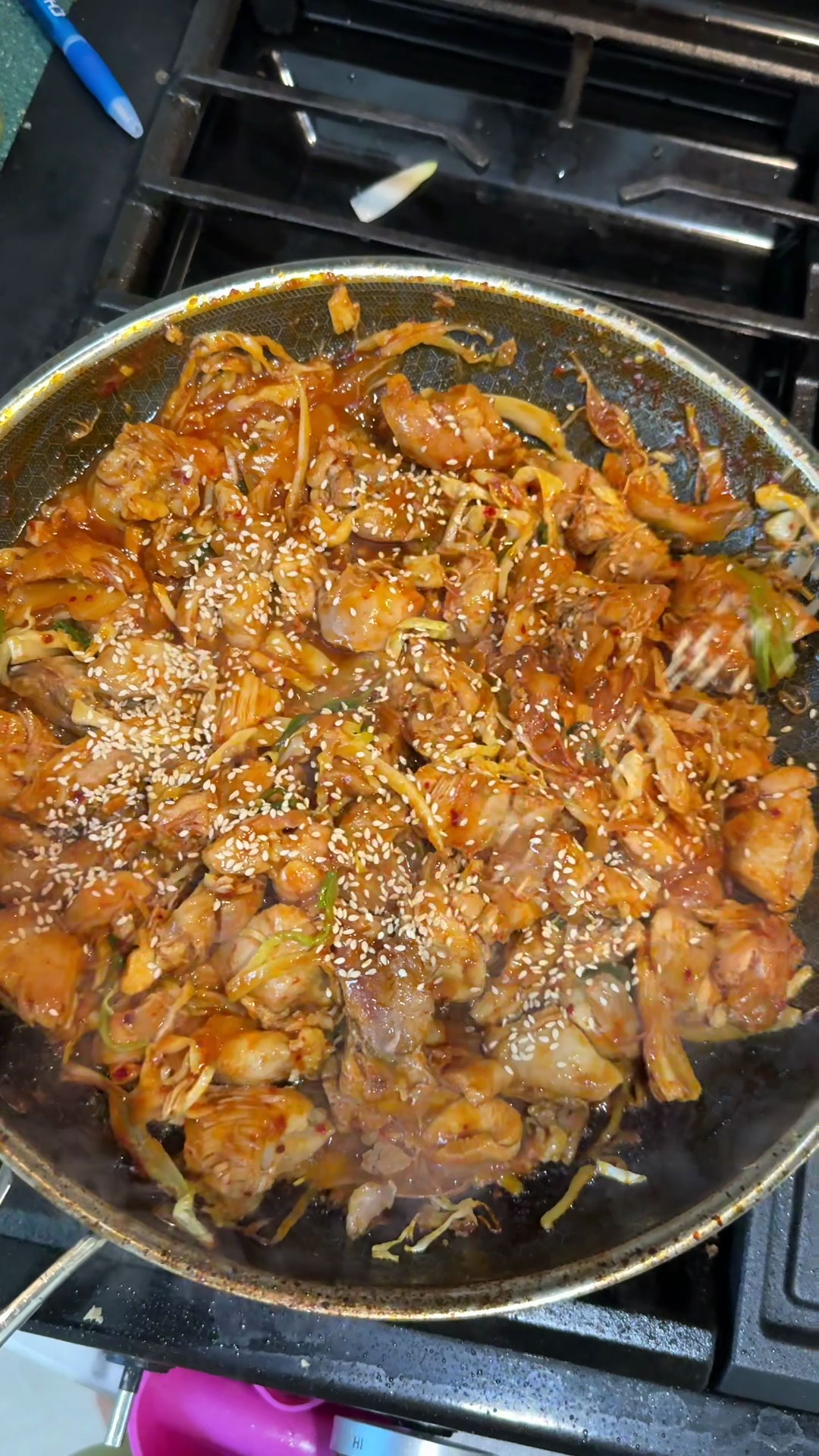
Add the onion and garlic, and saute them all together. Season the chicken with soy sauce, sugar, mirin, oyster sauce, gochujang, gochugaru, sesame oil, sesame seeds, and curry powder.
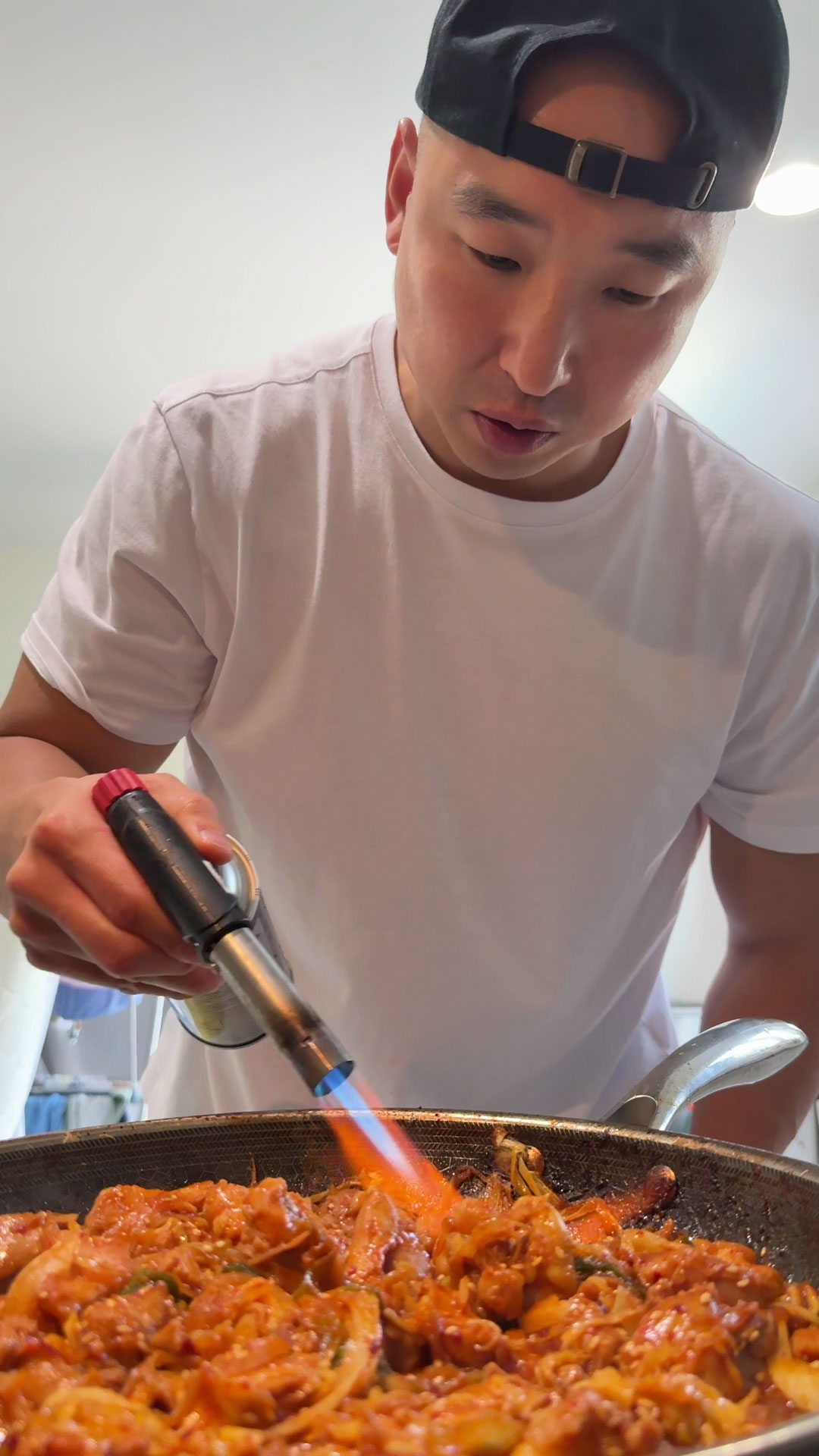
Add the cabbage and mix it well until the chicken is sauced up. Let simmer, sauteing few times until it has reduced. Use a torch to add “bulmat” or smoky flavor to the dish.
Serving Options
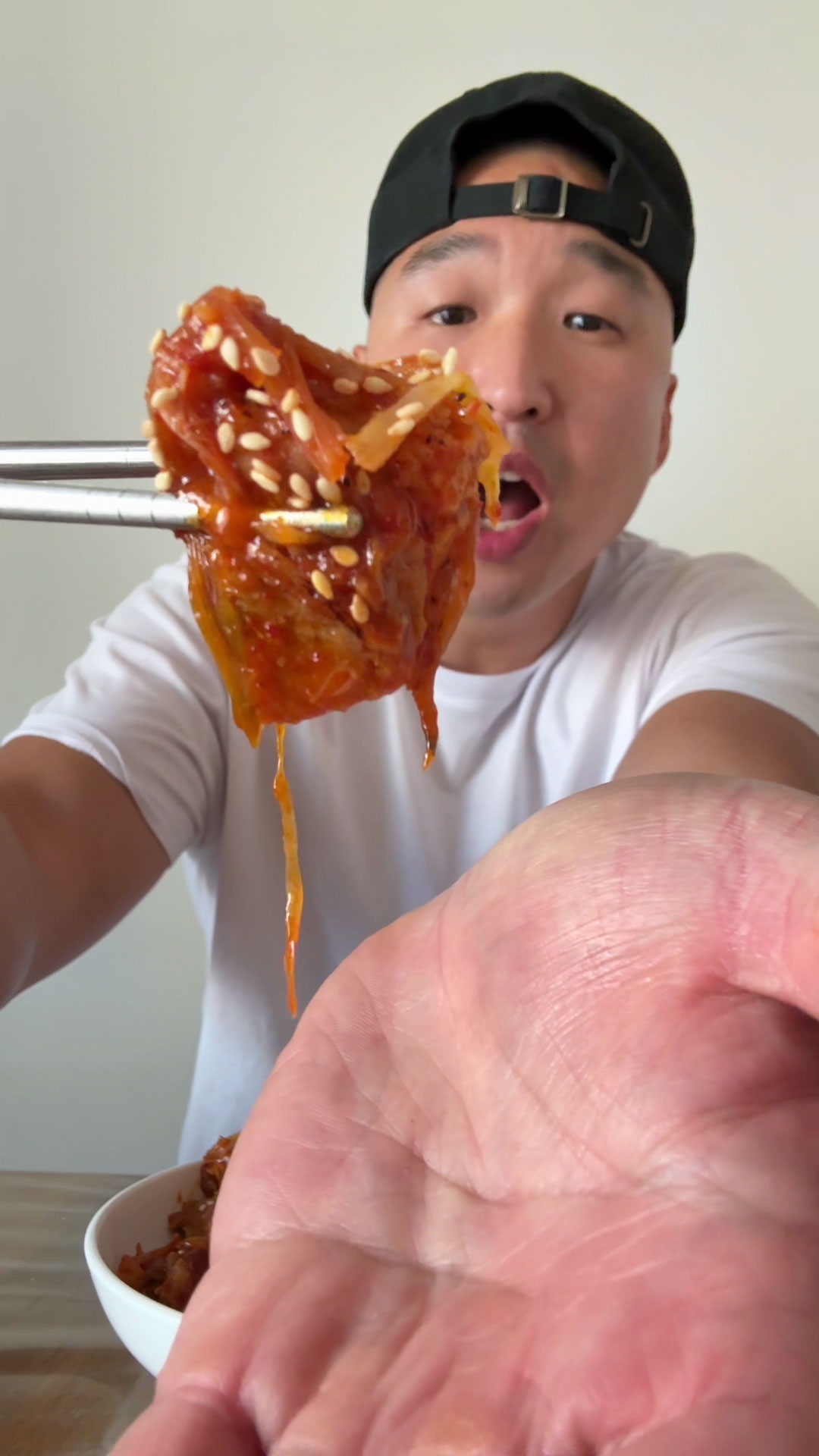
In Korea, specialty restaurants are very common, wherein holes-in-the-wall only serve one or a few menu items. Dakgalbi is usually found in specialty restaurants and is historically an alternative to the more expensive dweji galbi (pork ribs). Though these are not technically ribs, it has gained popularity because they’re delicious and are usually served in a grill pan, cooked right in the middle of the table, making it a communal dish that everyone can enjoy together.
The chicken is already seasoned or marinated, and as it cooks, family or friends gathered will first enjoy their drinks and free banchan. Dakgalbi is then eaten just like Korean BBQ–you make a “ssam” or “wrap” with a lettuce or perilla leaf, where it is filled with dakgalbi dipped in ssamjang, rice, and other side dishes like garlic, kimchi, pickled radish, seasoned bean sprouts, etc.
Sometimes restaurants even add mozzarella cheese on top of the chicken to make it even better! That said, this is also a great “anju” or food that goes well with alcohol!
As for me, I love to eat this by itself because it’s already complete, having both protein and veggies. Nevertheless, this would also go great with rice or noodles for a carb option.
Storage For Leftovers
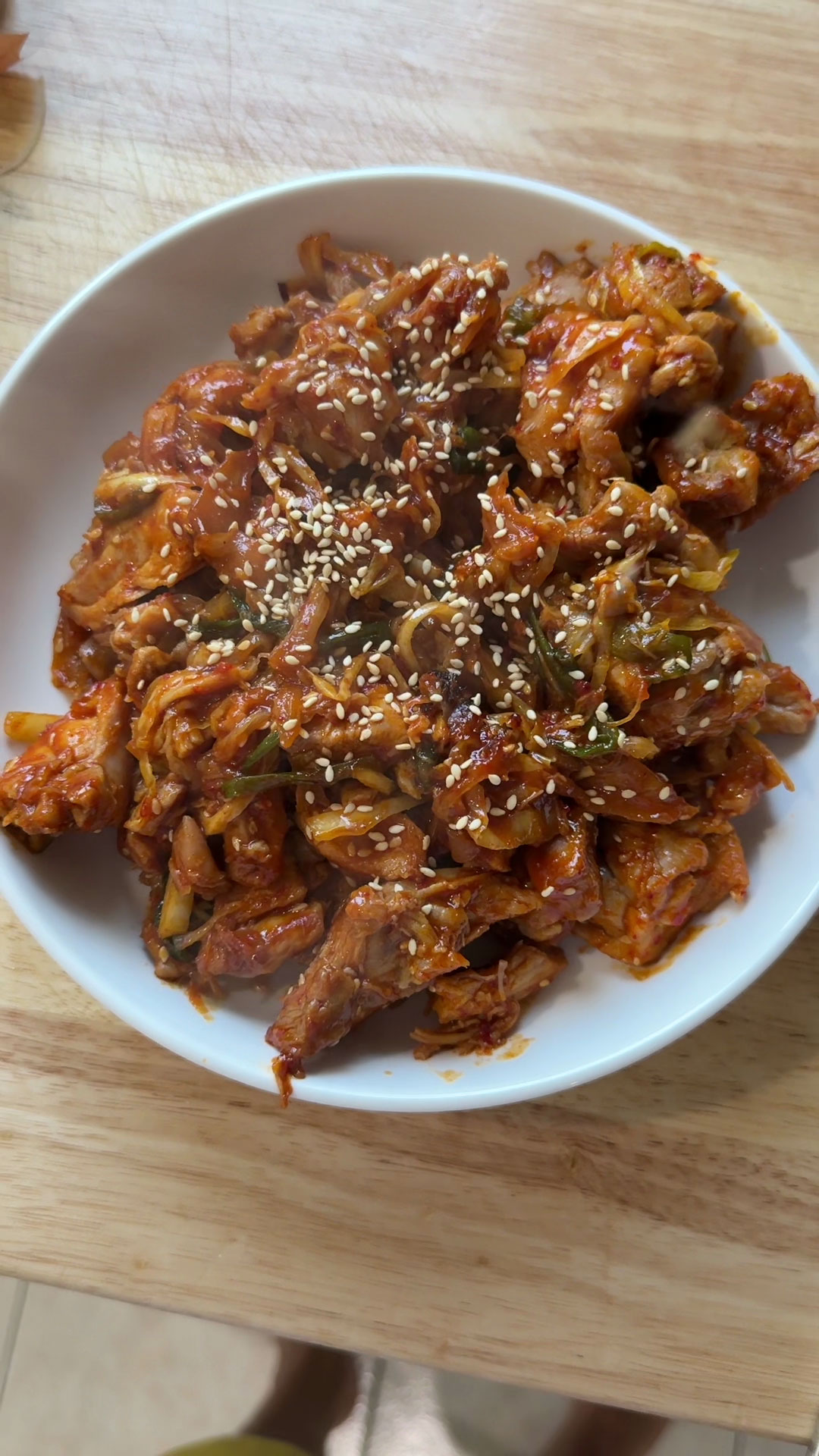
Since I eat this for my diet, I think this would also be a great meal prep! So you can simply store this or any leftovers in the fridge for 3-4 days. Simply microwave for 1-2 minutes to reheat.
Other easy stir-fried dishes you might like:
Make sure to leave a rating, a comment, or tag me on Facebook, Instagram, or Tiktok when you chop them up! Yeobosayo!
Dakgalbi (Korean Spicy Chicken Stir Fry)
Ingredients
- 2 lbs Boneless Chicken Thighs About 4 pcs
- 80 grams Scallions 3 stalks, sliced to 3-inch matchstick sizes
- 100 grams Onion, Chopped 1/2 of medium-sized
- 1 tbsp Garlic
- 100 grams Cabbage
Sauce Ingredients
- 2 tbsp Soy Sauce
- 3 tbsp Keto Sugar
- 2 tbsp Mirin
- 1/2 tbsp Oyster Sauce
- 2 tbsp Gochujang
- 1 1/2 tbsp Gochugaru
- Black Pepper To taste
- 1 tbsp Sesame Oil
- Sesame Seeds
- Sprinkle of Curry Powder
- 2 tbsp Canola or Vagateble Oil Divided, for sauteing
Instructions
- Chop onion and scallions into matchstick sizes.
- Place pan on high heat, add a little bit of oil, and sear the chicken until golden brown on both sides.
- Once nicely golden brown, slice or cut the chicken into bitesize pieces.
- Make a pool in the middle, add a bit more oil, then add in the scallions. Let it sit until fragrant.
- Add the garlic and onions, then saute.
- Season the chicken with soy sauce, keto sugar, mirin, oyster sauce, gochujang, gochugaru, black pepper, curry powder, sesame oil, and sesame seeds.
- Add the cabbage then mix well until the everything is sauced up. Let simmer until the cabbage cooks and the reduces, stirring a few times in between.
- Torch the chicken for additional smokiness, serve, and enjoy!





Leave a Reply